

Hedge Trimming and Stump Removals
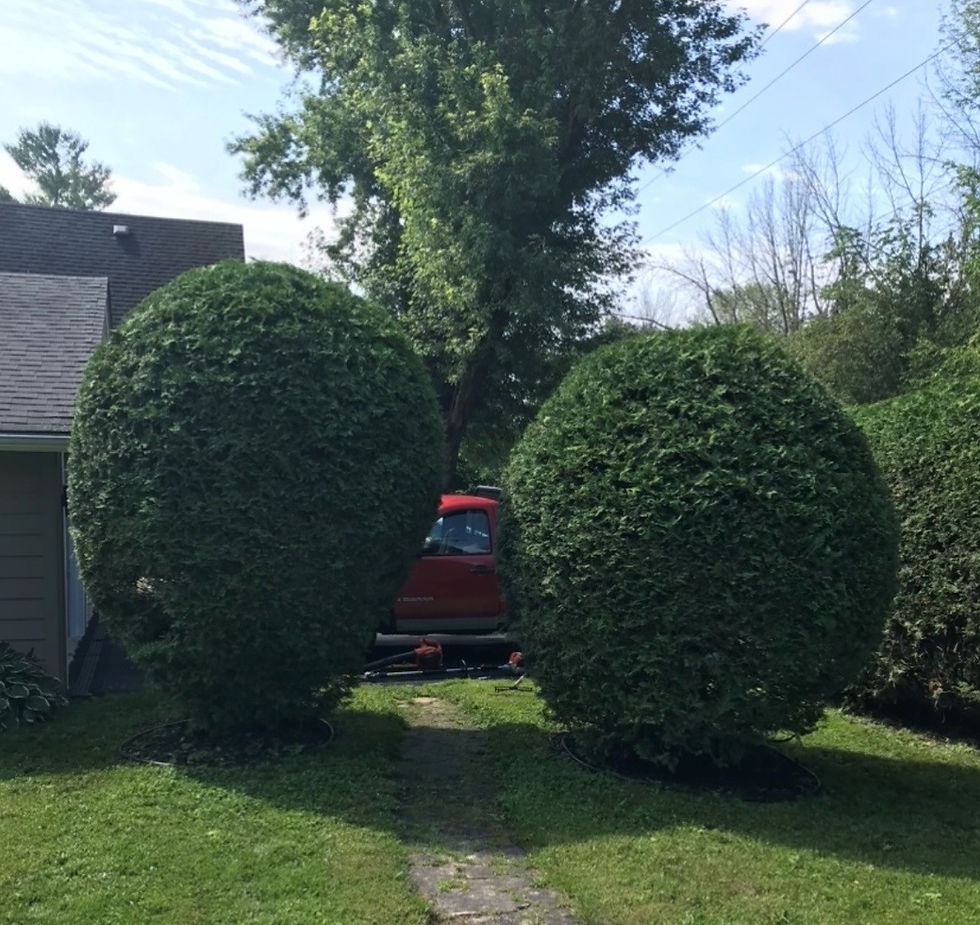
Removing old tree stumps and regularly trimming your hedges maximizes your property's safety, health, and visual appeal.
Neglecting these two essential landscaping tasks can turn a vibrant yard into a hazardous eyesore. Taking a proactive approach to property maintenance addresses several critical issues before they escalate.
Why Remove Old Tree Stumps?
Eliminate Pest Magnet: Decaying stumps attract termites, carpenter ants, and wood-boring beetles that can eventually migrate to your home's foundation.
Prevent Trip Hazards: Hidden stumps in low light or long grass pose a severe injury risk to children, guests, and pets.
Stop Aggressive Regrowth: Active root systems continually sprout unsightly new shoots and suckers that steal vital nutrients from surrounding plants.
Protect Lawn Equipment: Protruding wood and shallow roots can easily bend blades or permanently ruin costly lawnmowers.
Halt Disease Spread: Rotting wood harbors destructive fungal pathogens like root rot that can quickly infect neighboring healthy trees.
Why Trim Your Hedges?
Promote Healthy Growth: Trimming removes dead, damaged, and diseased wood, which encourages fresh branching and thickens the foliage.
Boost Sunlight Exposure: Shaping the hedge properly ensures sunlight can reach the lower limbs, preventing a leggy, barren appearance at the base.
Prevent Overgrowth Chaos: Regular pruning keeps aggressive shrubs from encroaching on walkways, blocking driveways, or obstructing window views.
Improve Curb Appeal: Neat, clean lines instantly elevate the overall aesthetic of your landscape and significantly increase property value.
Deter Disease and Mold: Air circulation improves dramatically when a hedge is thinned out, reducing the trapped moisture that fuels fungal diseases


Comments